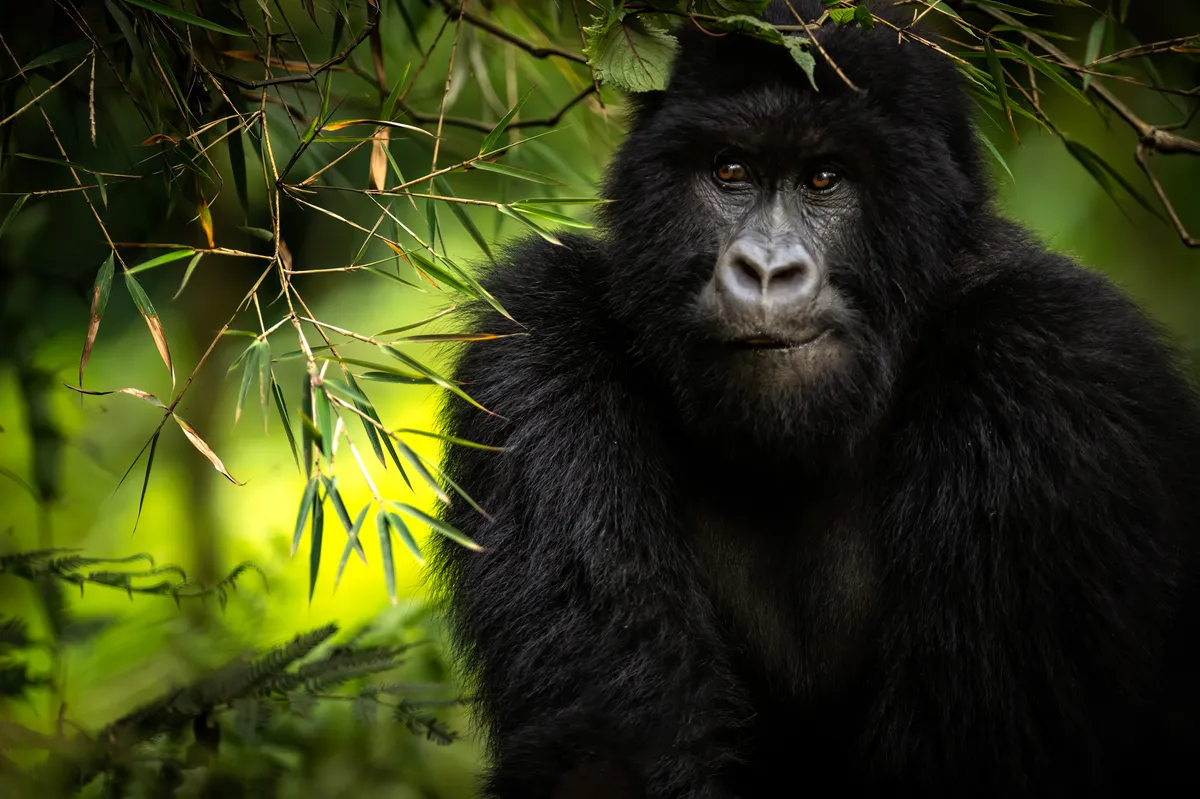
Most people come to Rwanda for the gorillas. The gorillas are extraordinary. But Rwanda has been quietly building something else — a country that rewards slow, unhurried attention in a way that almost no destination on earth does right now. Most visitors don't stay long enough to find it. This is a case for staying longer.
What Rwanda Has Built
In under three decades, Rwanda has rebuilt itself into the continent's most ordered, safest, and most deliberate country. Kigali is routinely cited as the cleanest capital in Africa — and this is not a casual accolade. Single-use plastic bags are banned. They have been since 2008, which makes Rwanda one of the first countries in the world to implement a national plastic bag ban at scale, and it is enforced, visibly, daily. The streets are clean in a way that registers as a cultural fact rather than a municipal achievement.
Umuganda is community work day — the last Saturday of every month, the country stops. Businesses close. Cars are off the roads. Every Rwandan participates in collective community maintenance: sweeping streets, clearing drainage, building infrastructure, maintaining public spaces. This is not voluntary in the optional sense. It is a national institution, and you feel its effects in the condition of every public space you encounter.
This is not a tourism performance. Rwanda is not performing order for visitors. It is a national culture that was chosen, deliberately, as part of the reconstruction that followed 1994, and it is palpable the moment you arrive at Kigali International Airport, which is efficient and calm in a way that most international airports are not. The country has decided to be something specific, and the decision is visible in every detail.
Akagera National Park: Rwanda's Hidden Savannah
Rwanda is not typically thought of as a savannah destination. Most visitors associate it with forest, mountains, and gorillas. In the far east of the country, along the Tanzanian border, Akagera tells a different story — and it is one of the great conservation comeback narratives of the continent.
Akagera was nearly emptied in the chaos that followed the 1994 genocide. Returning refugees settled in the park, cleared land, and over the following decade the wildlife populations were decimated. By 2010, the park had effectively lost its large predators. African Parks, the South African non-profit conservation organisation, took over management in 2010. What they have achieved in fifteen years is extraordinary. Lions were reintroduced in 2015 — the first in Rwanda in decades. Black rhinoceros were reintroduced in 2017. Today the park holds all of the Big Five, elephant, buffalo, giraffe, zebra, and a wetland system along Lake Ihema that constitutes one of the largest protected wetlands in Central Africa.
The birding in Akagera is exceptional — over 500 species recorded, including the shoebill stork in the papyrus swamps — and the crowds are not. Akagera receives a fraction of the visitors that Rwanda's gorilla sector generates, and the drives have a spaciousness, an uncrowded quality, that the more famous parks of East Africa can no longer consistently offer.
Nyungwe Forest: The Canopy of the Continent
Nyungwe Forest National Park sits in the southwest of Rwanda, draped across the Congo-Nile divide at altitude, straddling the watershed between the two great river systems of the continent. It is one of the oldest rainforests in Africa — some estimates suggest it has been forested continuously for more than 25,000 years. At 1,020 square kilometres, it is the largest montane forest in the region.
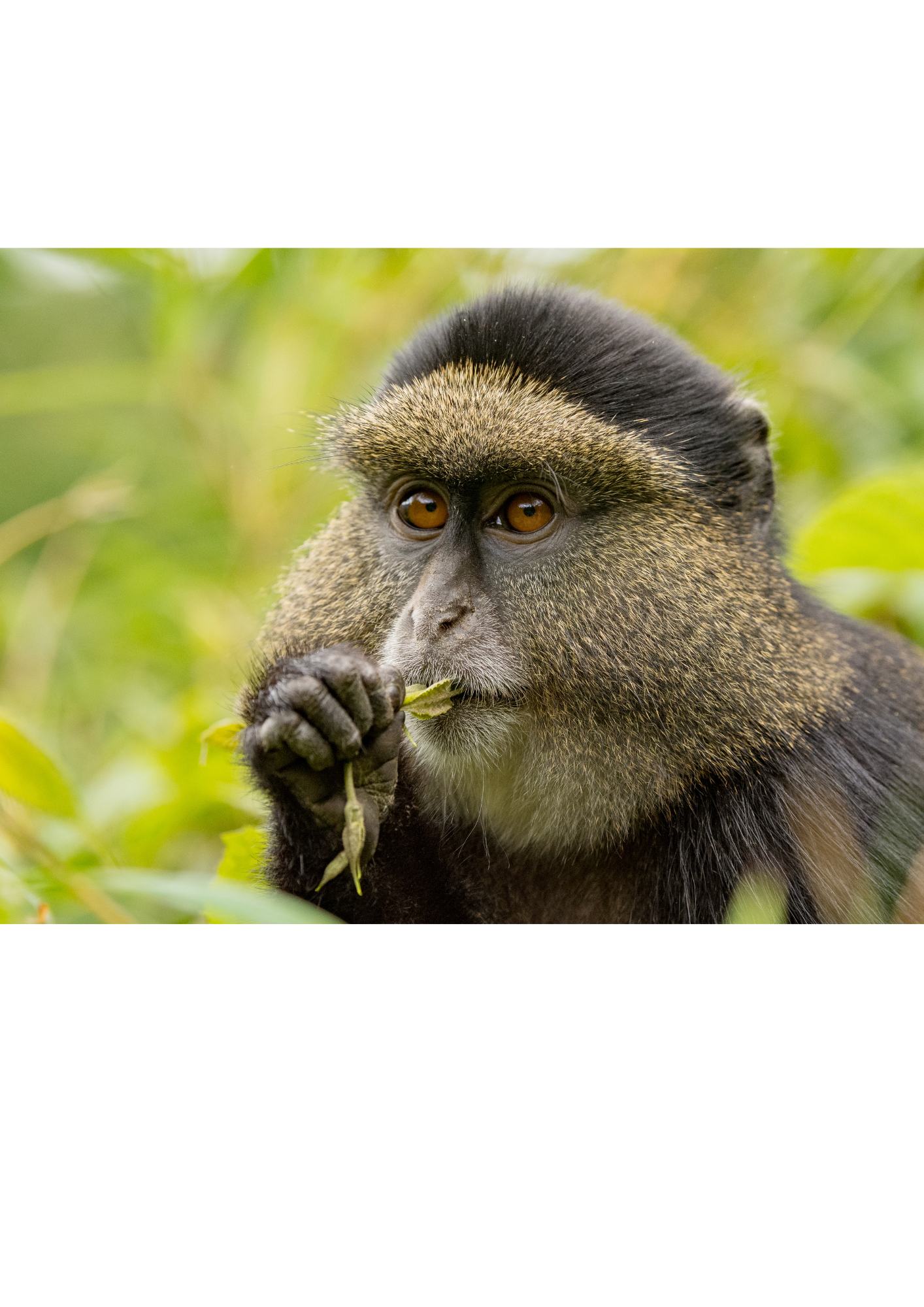
Chimpanzee trekking in Nyungwe is the obvious draw, and it is a genuinely significant experience — the chimpanzees here are habituated and the forest is intimate in a way that distinguishes it from the open savannah experience. But the canopy walkway is the thing that stays with people. Ninety metres above the forest floor, suspended between ancient trees, swaying gently in a wind that moves the entire canopy below you, you understand the forest in a spatial way that no amount of walking its floor can produce. Thirteen primate species are recorded in Nyungwe. More than 300 bird species. The forest is cool, dense, and ancient in a way that asks you, clearly, to slow down.
The altitude — between 1,600 and 2,950 metres — means the forest is cold by equatorial standards. Pack a layer. The mist comes and goes throughout the day, which changes the character of the experience every hour, and at dawn the light through the canopy is something worth arranging your schedule around.
Lake Kivu: Africa's Most Underrated Lake
Lake Kivu is one of Africa's Great Rift Lakes, sitting on the border between Rwanda and the Democratic Republic of Congo. It is deep — over 480 metres at its maximum — and the depth and mineral composition of the water mean it supports no hippopotamus population. No hippos, and no bilharzia, which makes Kivu the rarest thing in East African lake travel: a body of water you can swim in without concern.
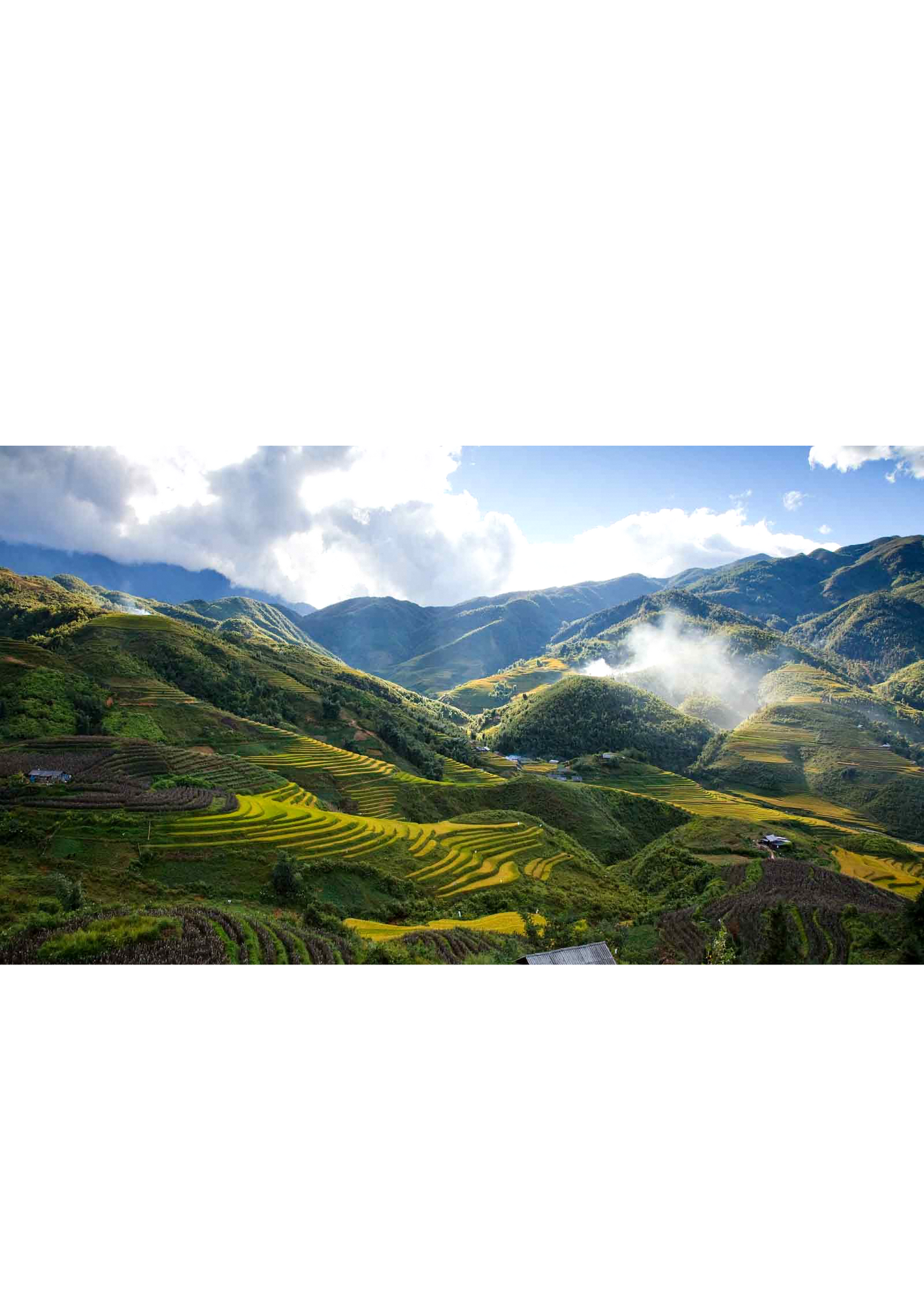
The shoreline is extraordinary. The hills drop into the water in terraced geometry — tea plantations and subsistence farms on the slopes above, the lake clear and warm below. Kayaking on Kivu at dusk, with the hills going gold on both sides and the water reflecting a sky that changes colour every five minutes, is one of the finest quiet experiences on the continent. Almost nobody outside Rwanda talks about it. That is beginning to change.
The towns along the shore — Gisenyi in the north, Kibuye in the centre, Cyangugu in the south — have a languid, unhurried quality that makes them ideal for an extra day or two in the itinerary. The ferry across the lake, which takes several hours, gives you the lake from the water rather than from above, and the perspective is worth the time.
Kigali: A City That Rewards an Extra Night
The Kigali Genocide Memorial should be visited. It should not be rushed. The memorial documents, with precision and without sentiment, the events of April to July 1994 and the 800,000 people who were killed in 100 days. It is an experience that takes time to process, and the city asks you to carry that processing forward into the rest of your stay. This is not a reason to avoid Kigali. It is a reason to give the city the attention it has earned.
Beyond the memorial: the art scene emerging in the Nyamirambo district, where galleries and studios occupy converted colonial buildings and the work being produced is worth knowing about. The restaurant landscape, which has reached a standard that surprises most visitors — and the coffee, which is some of the finest on the continent. Rwanda's single-origin beans are cultivated at altitude in the volcanic soils of the northwest, and the specialty coffee producers here have built an international reputation that is entirely justified. A morning in a Kigali coffee shop is time well spent.
The city is walkable in parts, navigable and safe in its entirety. The infrastructure is modern and reliable. The hospitality is genuine. An extra night in Kigali, bookending a gorilla and Akagera itinerary, is not a transit necessity. It is an extension of the experience that the country offers.
The Lodge Landscape
Rwanda's lodge landscape has reached a level that competes with the finest in Africa, and in some cases exceeds it. One&Only Gorilla's Nest in the Volcanoes sector sits at altitude with views of the Virunga volcanoes that are genuinely extraordinary on clear mornings. Singita Kwitonda Lodge, opened in 2019, brings the Singita standard of interior design and service to the gorilla sector with results that justify the positioning. Virunga Lodge — older, simpler, and with some of the finest views of any lodge on the continent — has a character that the newer properties are still building toward.
In Akagera, Magashi Camp sits at the edge of Lake Rwanyakazinga with a savannah-and-water combination that is rare for Rwanda and exceptional by any measure. The camp is intimate — eight tented suites — and the evening light on the lake is the kind of thing that makes guests miss their departures.
The combination of altitude, landscape, the country's inherent calm, and lodges that have been designed with care makes Rwanda's hospitality landscape something distinct from the rest of East Africa. Not superior — distinct. The country has a quality that is entirely its own, and the best places to stay reflect it.
Rwanda has built the most extraordinary conservation infrastructure in Africa. What surprises first-time visitors is how much of the country remains unhurried, unhyped, and profoundly beautiful.
Come for the gorillas. Stay for the rest of it. The canopy walkway at altitude, the savannah of Akagera at dawn, the particular quality of light on Lake Kivu at dusk, the coffee in a Kigali courtyard on a clean street in a city that chose to become something extraordinary and did. You will not be ready to leave when it is time. That is the mark of a place that has found its measure.