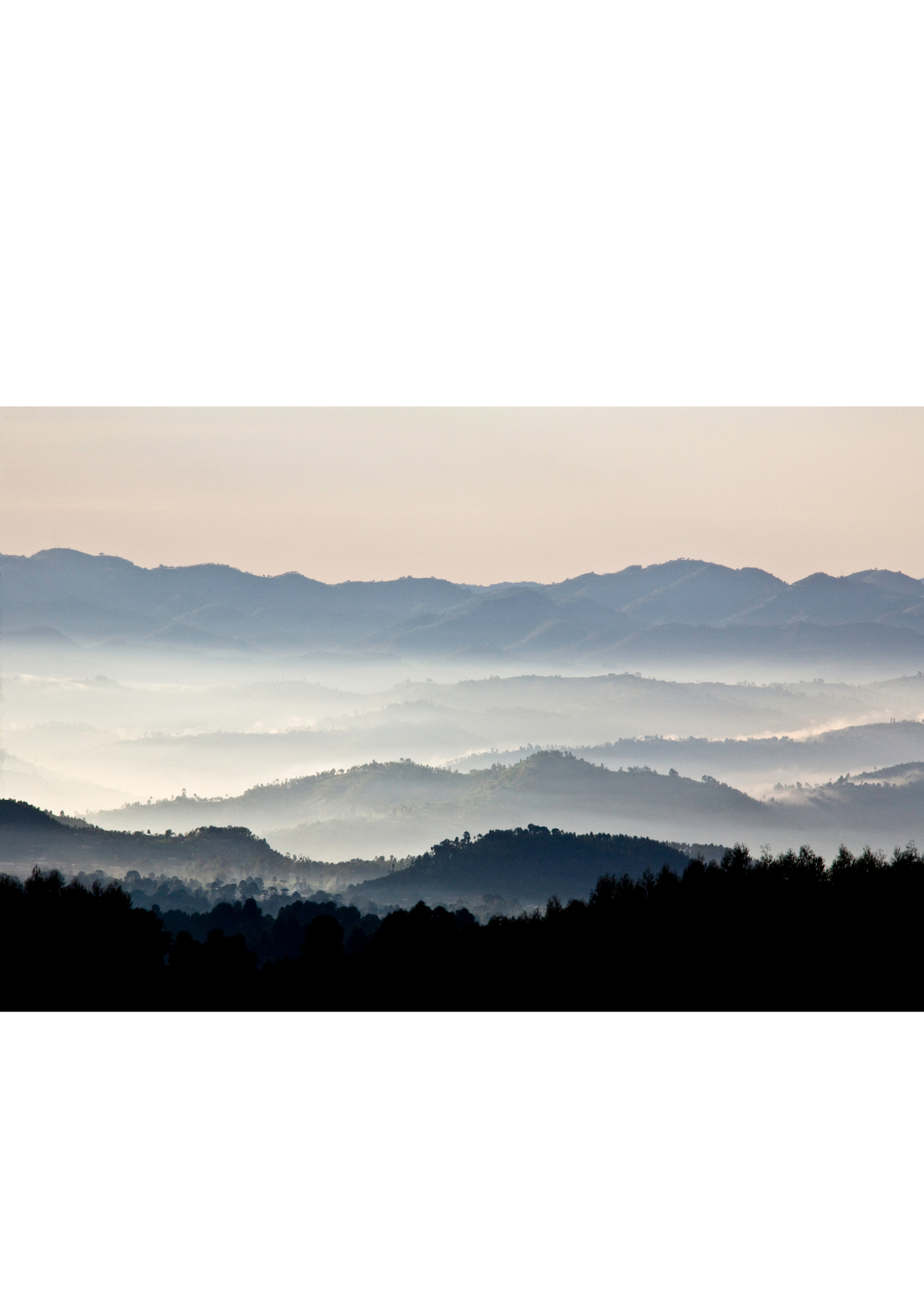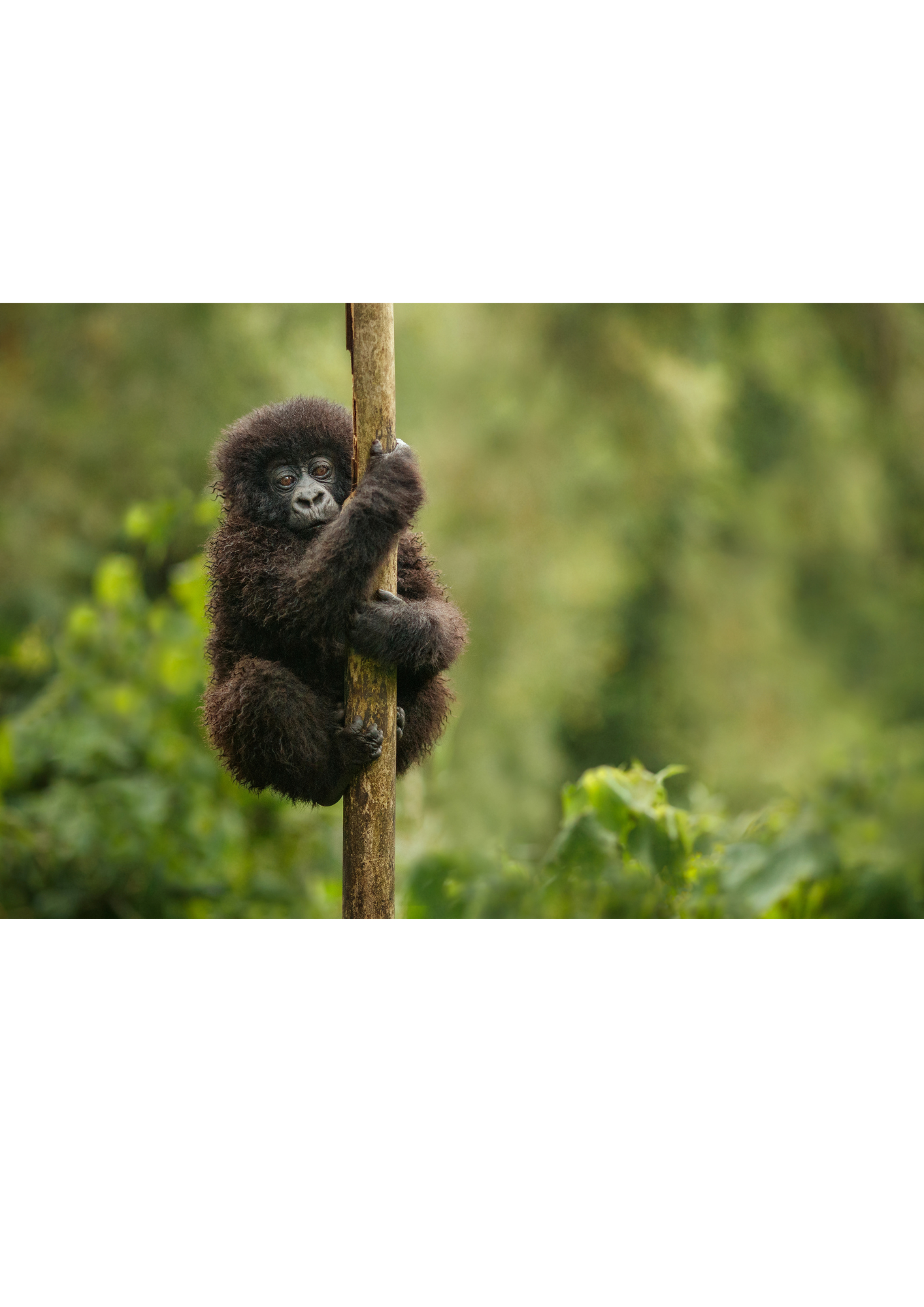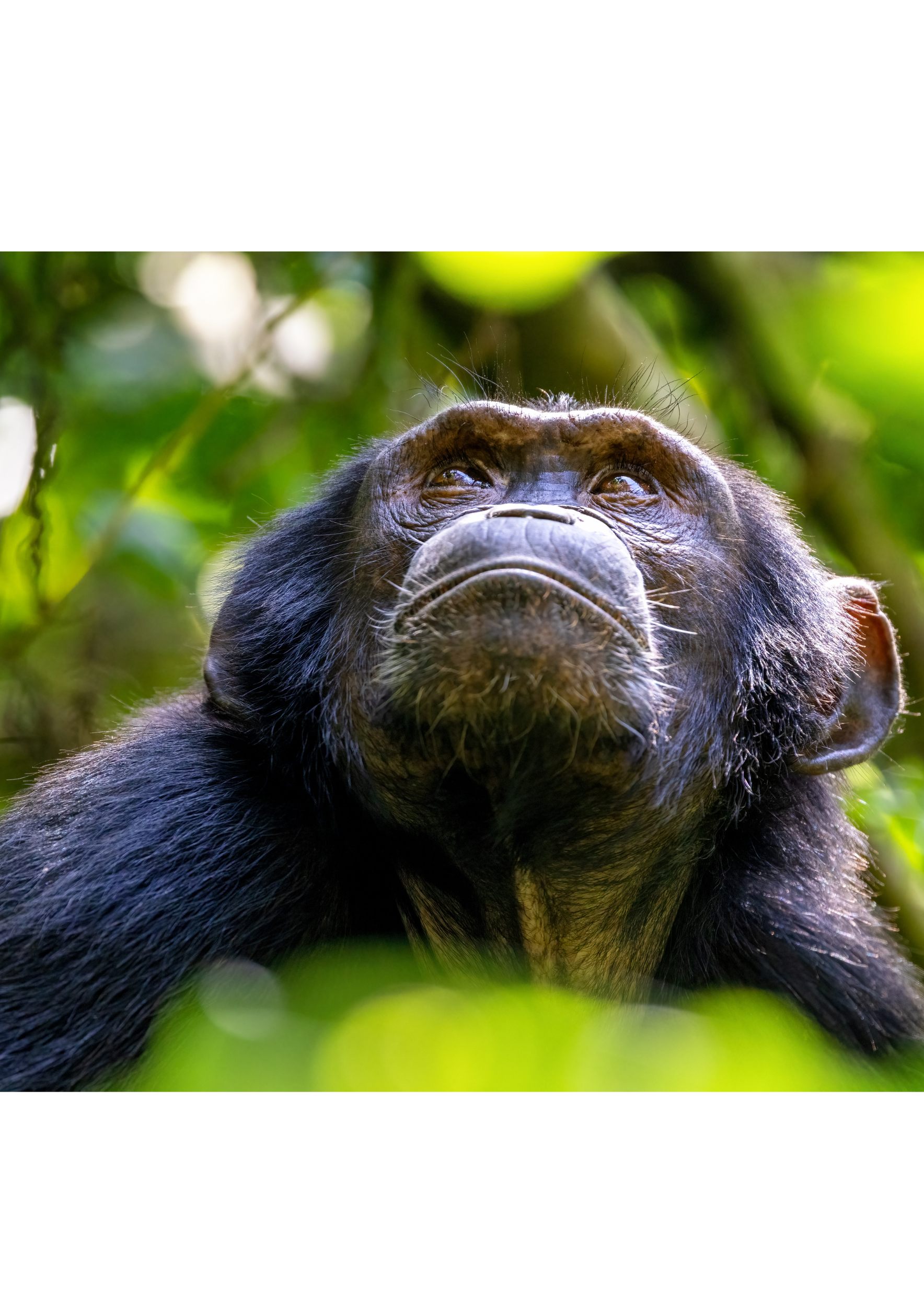
The itinerary said 7am departure. The light that morning said otherwise. The guide switched off the engine, and we sat for forty minutes in the dark amber of a sunrise that nobody had planned for. Nobody asked when we would be leaving. Nobody checked the time. It was the best forty minutes of the week, and it was not on the itinerary at all.
What Rushing Costs You
Most safari guests spend more time in transit than they realise. Three parks in five days means three game drives that barely begin before they end, three sets of lodge check-ins with the associated admin and adjustment, three mornings spent arriving somewhere just as you were starting to read it. You learn the quality of light on the first morning and leave on the second. You find the leopard's favourite tree on day two. You are already packing on day three.
The conventional safari itinerary is built for marketing, not experience. It optimises for the number of parks named in the brochure, the diversity of logos on the lodge booking confirmation. Three parks in five days becomes a value proposition — you've been everywhere. What it produces, in practice, is a version of everywhere that is thinner than it needs to be. You've seen each place without knowing any of them.
The slow safari optimises for depth. Two parks in eight days. Or one park, properly. The same landscape at dawn and dusk for four consecutive days, watching it change, watching yourself learn its language, watching the animals go from generic shapes in the grass to individuals with histories and patterns and particular personalities that become visible only through repetition and patience.
The things you miss when you rush: the second lion you didn't know was there, behind the first. The oxpecker behaviour that, if you had stayed another twenty minutes, would have told you something about the buffalo it was working. The elephant family whose matriarch has a broken tusk and who comes to the waterhole at 4pm every afternoon like a kept appointment. You miss all of this on the first day. You find it on the third.
The Unspoken Rule
Every Wild Luna guide carries the same understanding, arrived at not through a memo but through the accumulated experience of years in the bush: if the light is doing something extraordinary, we stop. If an animal is behaving in a way that has not been seen before, we stop. If a moment arrives that no itinerary could have predicted — a kill, a birth, a herd of elephants crossing a river at sunset, a cheetah teaching her cubs to run on an open plain in the afternoon — we stop. We do not check the time. We do not think about what comes next. We stay.
No schedule is sacred enough to override a moment of genuine beauty. This is not a policy. It is a disposition — a way of moving through the bush that understands, intuitively, that the bush is not waiting for you to arrive at the appointed time. It is operating on its own schedule entirely, and the best you can do is be available to it when it offers something.
This means that a Wild Luna itinerary always has space built into it that is not labelled. Unscheduled hours. Afternoons that are noted as "at leisure" but that are really available for whatever the morning didn't finish, or whatever the afternoon decides to begin. A guide who is not rushing to arrive somewhere on time is a guide who is free to stay where he is — and staying, when the moment calls for it, is the entire skill.
Learning to Read the Bush
The slow safari teaches you something the rushed one doesn't. You begin to read. Not the landscape as a backdrop to the animals, but as an active information system — a text with grammar and syntax that, given enough time, becomes legible.
The oxpecker on the buffalo's neck is not decoration. It is a tracker working a hide for parasites, and the direction it is looking when it pauses tells you something about what the buffalo is sensing. The alarm call of the baboon is specific — a single sharp bark means something different from a rapid sequence, and the direction of the call tells your guide where the threat is and approximately how far away. Stillness, in the bush, is not the absence of information. It is the condition in which the information becomes audible.
You learn this on day three. On day one, the bush is noise. On day two, it is beginning to resolve into signal and background. On day three, you notice you've been sitting for ten minutes watching a single zebra without feeling like anything is missing. Something in the quality of your attention has changed. You are no longer seeking the next thing. You are present to this one.
This is what the slow safari produces. Not more sightings. A different relationship with each sighting. A quality of attention that the rushed itinerary cannot cultivate because it never stays long enough to give it room to develop.
The Case for Fewer Drives
One five-hour drive, unhurried, in a park you know well, will give you more than three two-hour drives across parks you don't. This is counterintuitive to the way most people plan travel, which equates quantity of experience with quality of experience. More destinations equal more value. More activities equal more return on a significant investment of time and money.
The bush does not work this way. Familiarity with a landscape builds. You begin to know where the leopard rests at midday — on the particular branch of the acacia near the dry lugga. You know where the elephant come to drink at 4pm. You know which area of the plain the lions patrol at dawn and which they have abandoned since the pride shifted territory two seasons ago. The guide knows these things from the beginning. You develop them across days. And the second morning in a place is always, without exception, better than the first.
This is not a defence of repetition. The bush is not repetitive — it is continuously different in the same place. The same waterhole at dawn and at dusk is not the same waterhole. The same tree at seven in the morning and at three in the afternoon is a different tree with different animals and different light. The slow safari is not about seeing the same things over. It is about giving the same place enough time to show you everything it knows.
The Afternoon Nap: Not Laziness, Rhythm
The bush goes quiet between 11am and 3pm. The lions have moved into the shade of the acacias. The elephant are in the deep forest, standing still in ways that conserve moisture. The smaller prey animals are lying low, their body clocks calibrated to the same heat that has slowed everything else. The guides know this. The camps are designed around it. Lunch is at the lodge. The afternoon is, by custom and by the logic of the ecosystem, for rest.
The guests who resist this are fighting a rhythm that the entire savannah has agreed upon. They sit on the deck and feel that they should be doing something, that the afternoon is wasting, that there must be a game drive that could be arranged. There is no game drive that produces better results at 1pm than at 5pm. The animals are not performing for the schedule. They are being animals, which means they are in the shade.
The guests who surrender to the afternoon — who sleep, who read, who sit with a coffee and watch the light on the plains until they feel themselves becoming part of the heat and the quiet — come to the evening drive with eyes that have reset. They see more. They hear more. They have, in some physical sense, synchronized with the place they are in, and the place responds to that in ways that are genuinely, consistently observable. The afternoon is not lost time. It is the preparation for the evening, which is when everything begins again.
What Guests Say When They Stop Rushing
The most consistent thing guests say, in the final evening of any slow journey, is some version of the same sentence. Not "I saw so much" — though they have. Not "we were in the right place at the right time" — though they were, because they had the time to be there. The sentence, in its various forms, is: "I didn't expect to feel this." Or: "I can't quite describe what happened out there." Or, most often, simply: "I wasn't ready for it."
Not prepared to be moved in the particular way the bush moves you when you give it enough time. Not ready for the quality of the silence at the waterhole, just before the elephant arrive and the air changes. Not expecting the guide's quiet "look left" and then the leopard, less than ten metres away, regarding them with indifference before folding back into the grass. Not anticipating the feeling, on the last morning, of not wanting to leave — a feeling that is not about the lodge or the service or any measurable comfort, but about the particular place and the particular quality of attention they have spent five days learning to hold.
That is not a coincidence. That is what presence produces. You cannot rush your way into it. You can only slow down enough to let it find you.
Every Wild Luna guide carries the same unspoken rule: if the light is extraordinary, we stop. No itinerary is sacred enough to miss a moment like that.
The bush rewards presence, not pace. It always has. The animal that has been watching you from the grass for three minutes doesn't reveal itself to the vehicle that drives past in thirty seconds. The leopard who is resting in the tree waits until you have been still long enough to seem part of the landscape. The quality of what you find is in direct proportion to the quality of the attention you bring. The slow safari is not a style of travel. It is an understanding of how the bush actually works — and a commitment to meeting it on those terms.