It is not the lions, though there are lions. It is not the vastness, though it is vast beyond what maps suggest. It is something quieter than both, and it arrives in the first light before the rest of the camp is awake — a particular quality of early morning that has no equivalent in anything you will find outside this specific latitude, at this specific hour.
Why 5am
The game drive begins at 5am for reasons that are entirely ecological. Predators are most active in the hours immediately before and after sunrise — the temperature is cool, the visibility is improving, and the animals who have been hunting through the night are either finishing their work or beginning it in earnest. The prey species know this. The impala are already alert, already moving to open ground, already positioning themselves to see what is coming. The bush is maximally alive at 5am in a way that it will not be again until dusk.
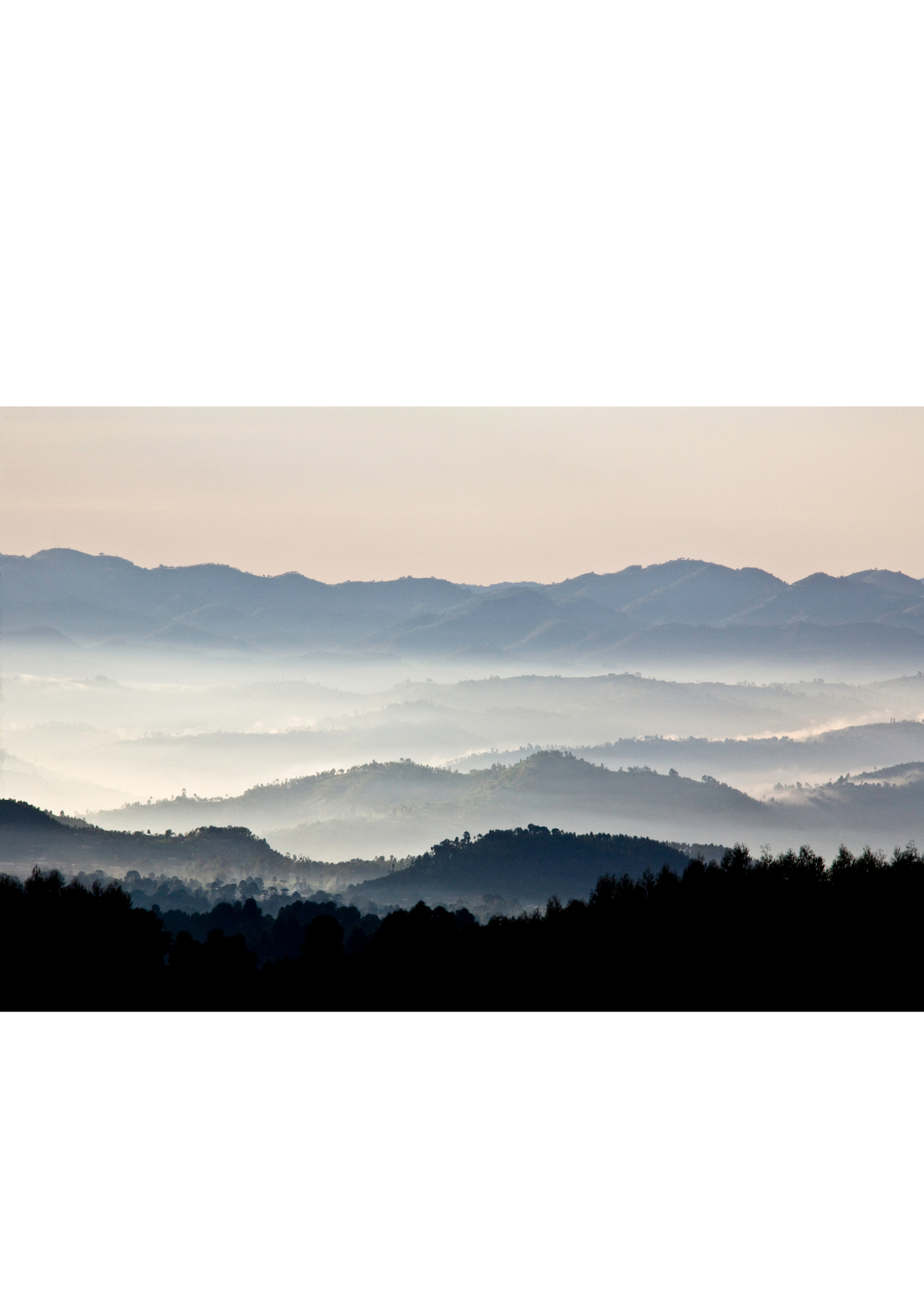
Getting into the vehicle at that hour is an act of will that almost all guests retrospectively describe as the best decision of the trip. The reluctance dissolves the moment the first light arrives. It arrives fast in East Africa, just south of the equator, and it arrives without the gradual grey preamble of higher latitudes. One moment the sky is black and the acacia trees are silhouettes. Then the horizon turns to amber, and then gold, and then the first horizontal shafts of light reach across the plain and the Mara becomes itself.
Reason One: The Light
Golden hour in the Masai Mara is not like golden hour anywhere else. The open savannah — the flat immensity of it, the absence of anything that might interrupt the horizon — means that the light at dawn arrives horizontally, unobstructed, at a low angle that would take hours to achieve in a landscape with trees. It is direct and warm and it turns the grass the colour of a lit match. It turns the dust on the vehicle's windscreen to particles of fire. It turns the coat of a lion lying on a termite mound into something that you will spend the next year trying to describe to people who weren't there.
Photographs can approach it. No photograph holds it. The light at dawn in the Mara is kinetic — it moves as the sun clears the horizon, changing colour from amber to gold to white over the course of fifteen minutes that feel both instantaneous and extended. It is the reason the professional wildlife photographers are always, without exception, out of bed before sunrise. Not because the animals are different in that light, but because everything is.
Reason Two: The Predators Move
Lions hunt most actively in the three-hour window around dawn. In the Mara, where lion density is among the highest of any reserve in Africa, the probability of encountering a hunt, a kill, or the aftermath of a kill is statistically highest in this window. You are not guaranteed to see a hunt — the bush does not offer guarantees — but you are in the right place at the right time in a way that the mid-morning drive simply is not.
Cheetahs begin to scan from termite mounds as the visibility improves — they depend on open sightlines, and the dawn light extending visibility across the plain is the same visibility they use to identify prey. Leopards, nocturnal by preference, are descending from the trees before the heat drives them back up into the shade. The short window between the end of night and the beginning of the hot day is the window in which all of these things overlap in a single hour of driving. The guide knows where to go. That knowledge — built from years of watching the same landscape shift through the same morning rhythms — is the most valuable thing in the vehicle.
Reason Three: The Sound Before the Vision
Before you see anything, you hear it. This is the part that most accounts of safari leave out, and it is, in the Mara at dawn, one of the most distinctive sensory experiences the bush offers. The oxpecker's alarm call — a sharp, repetitive ticking that tells you there is a large mammal nearby and the bird is working it for parasites. The impala's single explosive bark, directional, telling you something alarmed it to the south. The low, carrying sound of a lion's contact call — not a roar, which is territorial and dramatic, but the softer, lower vocalization used to maintain contact with the pride across distance.
These sounds arrive before anything is visible. The Mara is flat enough and the dawn quiet enough that sound carries in ways it doesn't in a city, or in a forest, or in any environment saturated with human noise. Your guide is already reading the sound landscape before the vehicle starts moving. He has heard something and is already adjusting the route. The bush speaks before it shows itself. Dawn is when you learn, if you are paying attention, to listen.
Reason Four: The Great Migration — If You're There August to October
Between roughly July and October, approximately 1.5 million wildebeest cross the Mara River from the Serengeti into Kenya in what is called the Great Migration — the largest overland mammal movement on earth. The crossings happen at the river in response to a pressure that builds through the herd over the course of hours or days, a collective tension that no individual animal decides but that eventually breaks, producing an event that cannot be staged and cannot be precisely predicted.
At dawn, the herds gather at the river banks. You watch thousands of animals standing at the edge of the water, drawn to cross by the green grass on the other side, held back by the crocodiles visible in the shallows. The decision to cross is made not by one animal but by a kind of accumulated momentum — a single animal's step, which either triggers the herd or doesn't, and when it does, the crossing begins with a suddenness that stops conversation. The noise. The dust. The crocodiles moving. The wildebeest throwing themselves into water that will take some of them. This is not managed. It is not curated. It is the ecosystem operating exactly as it has for ten thousand years, and you are witnessing it from the bank of the river, in the first hour of daylight, with no other vehicle in sight if your guide has read the morning correctly.
You cannot plan for the exact moment. That is precisely the point.
Reason Five: The Perspective Shift
At dawn in the Masai Mara, something happens that does not happen at midday or late afternoon. You understand, in a physical rather than intellectual way, that you are not at the top of the food chain. The lion on the termite mound does not register the vehicle as anything significant. She is not performing for you. She is not adjusting her position for your camera. She is a lion, operating on lion priorities, in a landscape that is entirely her terms. The buffalo does not adjust its route because you are in it. The elephant herd coming to water does not defer to your presence, and if you are in their way, your guide will move the vehicle, not ask the elephants to go around.
This displacement — the reduction of your significance in the ecosystem from "centre" to "visitor" — is not threatening when you experience it at dawn in the Mara. It is, somehow, a relief. A recalibration. The particular kind of freedom that comes from being genuinely, unambiguously small in a landscape that is genuinely, unambiguously larger than you. The city, the meetings, the phone — these things are not important in the Mara at 5am. The Mara at 5am is the only thing that is important. And for the duration of the drive, that is enough.
The Mara at dawn does not impress you. It recalibrates you.
Go once, early, and see what the morning says. It will say something different to each person who asks — the Mara always does — but it will say it in a language that requires no translation, in light that belongs to no photograph you have ever seen, in the particular silence of a savannah that is not, actually, silent at all.